
Choosing the Right Wood Species for Hardwood Floors Installation
People searching for hardwood floor installation often seek guidance on choosing the right wood species, and local contractors can help select and install the best options for their space.
Choosing the right wood species for hardwood floors installation is an important decision for property owners looking to enhance the beauty and durability of their space. Whether renovating a cozy home or updating a commercial property, understanding the unique qualities of different woods can help ensure the finished floors meet both aesthetic preferences and practical needs. Property owners in the area often explore this topic to make informed choices that align with their lifestyle, usage patterns, and design goals, knowing that skilled local contractors can provide expert guidance and professional installation.
As property owners consider their options, they may find that working with experienced local service providers makes the process smoother and more tailored to their specific project. These professionals can help evaluate factors like wear resistance, color, grain patterns, and maintenance requirements, ensuring the selected wood species complements the space and stands up to daily use. Continuing to explore this topic can lead to a more confident decision, supported by the expertise of local contractors who specialize in hardwood floor installation and can bring the chosen wood to life with quality craftsmanship.
- Choosing the right wood species for hardwood floors installation can be crucial for durability in high-traffic areas, and local contractors can help identify the best options. Selecting the right wood species for hardwood floors installation is important for achieving the desired appearance, and experienced service providers can provide guidance on style and finish. Choosing the right wood species for hardwood floors installation may be necessary for rooms with moisture concerns, with local pros recommending suitable species to prevent warping. Choosing the right wood species for hardwood floors installation is often needed when matching existing flooring, and local contractors can assist in selecting complementary wood types. Choosing the right wood species for hardwood floors installation can impact maintenance needs, with service providers advising on species that suit the homeowner's lifestyle.
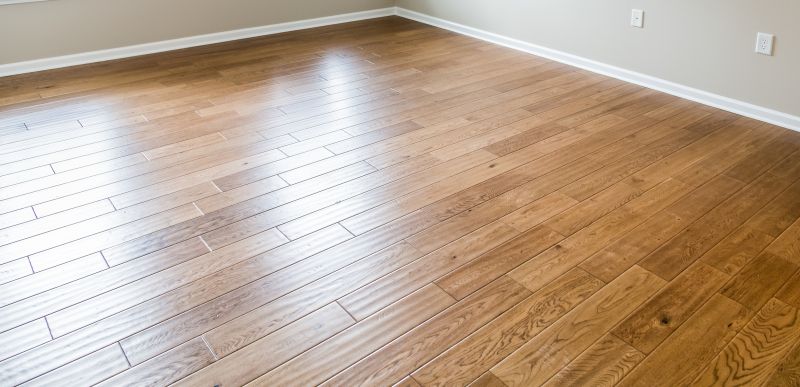
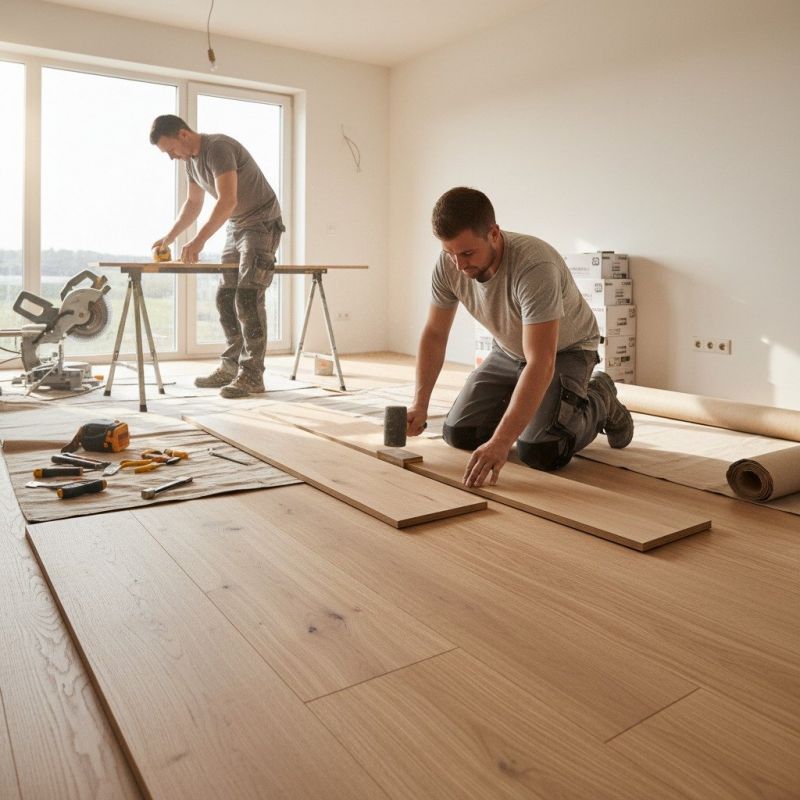
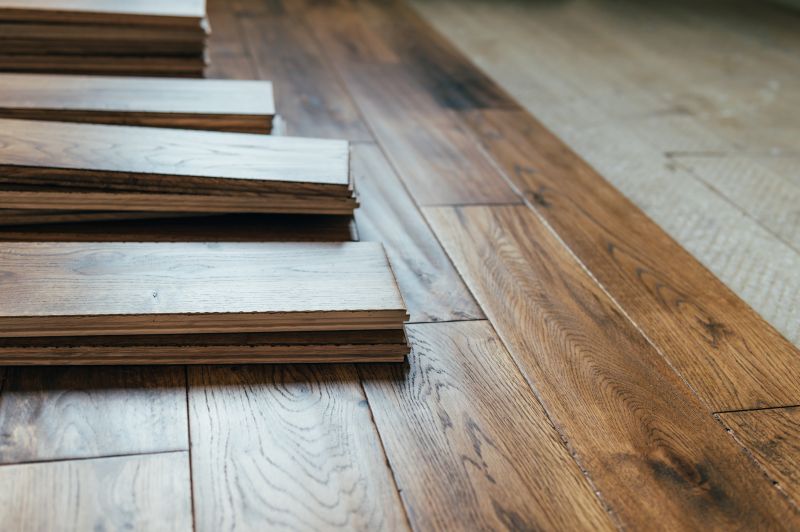
When people search for choosing the right wood species for hardwood floors installation, they are usually looking for guidance on selecting the most suitable type of wood to match their space, style, and practical needs. This topic often comes up during planning stages of a flooring project, whether for a full home renovation or a single room upgrade. Homeowners want to understand how different woods will look, feel, and hold up over time, especially in high-traffic areas or spaces exposed to moisture. They may also be considering how the wood’s color, grain pattern, and durability align with their interior design goals, making it a key decision in creating a cohesive and long-lasting floor.
This topic is closely related to a variety of project considerations and potential problems homeowners might face. For example, choosing the wrong wood species can lead to issues with scratching, denting, or fading, especially in homes with pets or children. It can also affect the overall maintenance requirements and the longevity of the floor. Many plans involve balancing aesthetic preferences with practical factors such as climate, foot traffic, and the level of wear and tear expected. When exploring options, homeowners often seek advice on how different wood types perform in specific conditions, and how local service providers can help ensure the right choice is made for their unique property.
The types of properties that typically come up in discussions about choosing the right wood species include residential homes, condos, and multi-family dwellings. Larger properties with open-concept layouts may require more durable options that can withstand frequent use, while smaller or more decorative spaces might prioritize visual appeal and color. Homes with high humidity or moisture concerns, such as those near water or in humid climates, often need specific wood types that resist warping and swelling. Additionally, properties with existing design themes or specific architectural styles may influence the choice of wood, making it important to work with local contractors who understand both the aesthetic and functional demands of each property.
For homeowners navigating this decision, understanding how different wood species relate to their property and lifestyle is crucial. Local hardwood floor installation service providers can offer valuable insights into the options available, helping to match the right wood with the specific conditions of each property. These professionals can advise on the best species for durability, appearance, and maintenance, ensuring the chosen material complements the home’s design while meeting practical needs. Connecting with experienced local contractors can make the process of selecting the right wood species more straightforward, ultimately leading to a beautiful, resilient, and well-suited hardwood floor.
Floor Refinishing Projects - refinishing existing hardwood floors requires skills similar to installation, including surface preparation and finishing techniques, which are essential when considering wood species choices.
Custom Staircase Carpentry - crafting stair treads and railings involves precise measurements and material selection, paralleling the planning needed for choosing appropriate wood for flooring.
Interior Woodwork and Millwork - installing built-in shelves, moldings, or paneling involves detailed planning and material knowledge that complements selecting the right wood species for floors.
Subfloor Preparation Services - ensuring a stable and level subfloor is critical for hardwood installation and influences the choice of wood species based on the environment and usage.
Wood Floor Repair and Replacement - replacing damaged sections of hardwood floors requires matching wood types and finishes, highlighting the importance of proper species selection from the start.
Patterned or Inlay Flooring Projects - creating decorative floor designs involves advanced planning and precise installation skills, similar to selecting and working with specific wood species for custom flooring.
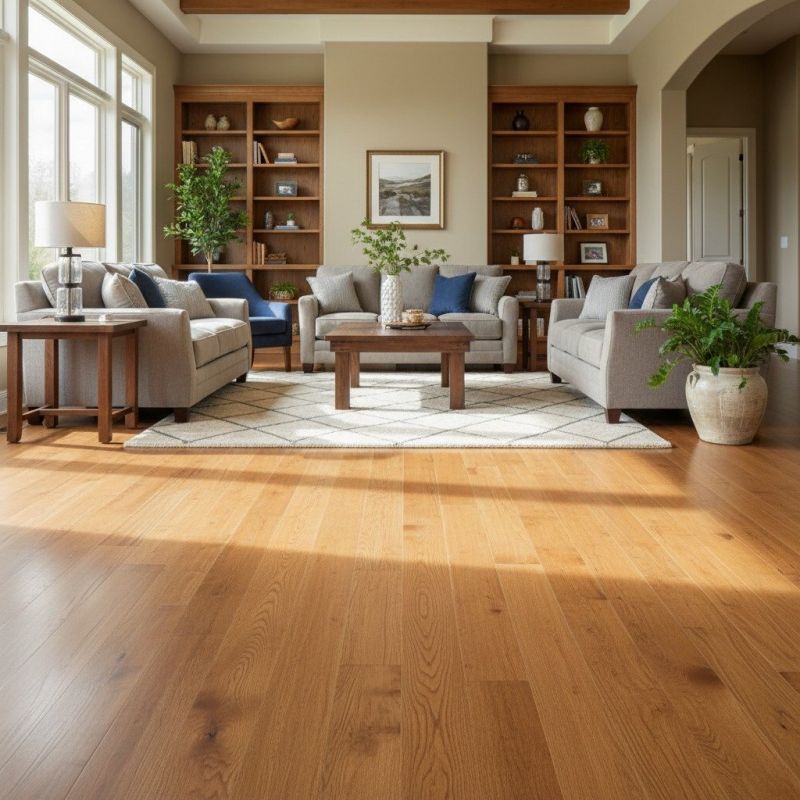
When evaluating service providers for hardwood floor installation, it is important to consider their experience with similar projects, especially those involving choosing the right wood species for hardwood floors installation. Contractors with a history of working on comparable installations are more likely to understand the nuances of different wood types, including their durability, appearance, and suitability for specific environments. Homeowners should seek out references or examples of past work that demonstrate a proven track record in handling projects similar to their own, ensuring that the contractor’s expertise aligns with the specific needs of the space and the desired aesthetic.
Clear, written expectations are essential when comparing local contractors for hardwood floor installation services. A reputable service provider should be able to articulate their approach to helping clients select appropriate wood species, including factors like maintenance requirements and how the wood will perform over time. Detailed proposals or scope of work documents can help homeowners understand what to expect during the project, from initial consultation through final installation. Having this clarity reduces misunderstandings and ensures that both parties are aligned on project goals and responsibilities.
Good communication is a key factor when choosing the right contractor for hardwood floors. Service providers who listen attentively, answer questions thoroughly, and keep homeowners informed throughout the process tend to facilitate smoother projects. Effective communication helps homeowners feel confident in the contractor’s ability to guide them through selecting the best wood species for their needs and ensures that any concerns are addressed promptly. By prioritizing contractors with a reputation for transparency and responsiveness, homeowners can foster a collaborative working relationship that supports a successful hardwood floor installation.
Property owners often search for choosing the right wood species for hardwood floors installation when they are planning practical projects around their homes and businesses. Local pros provide Hardwood Floor Installation services for everyday jobs and straightforward project options.
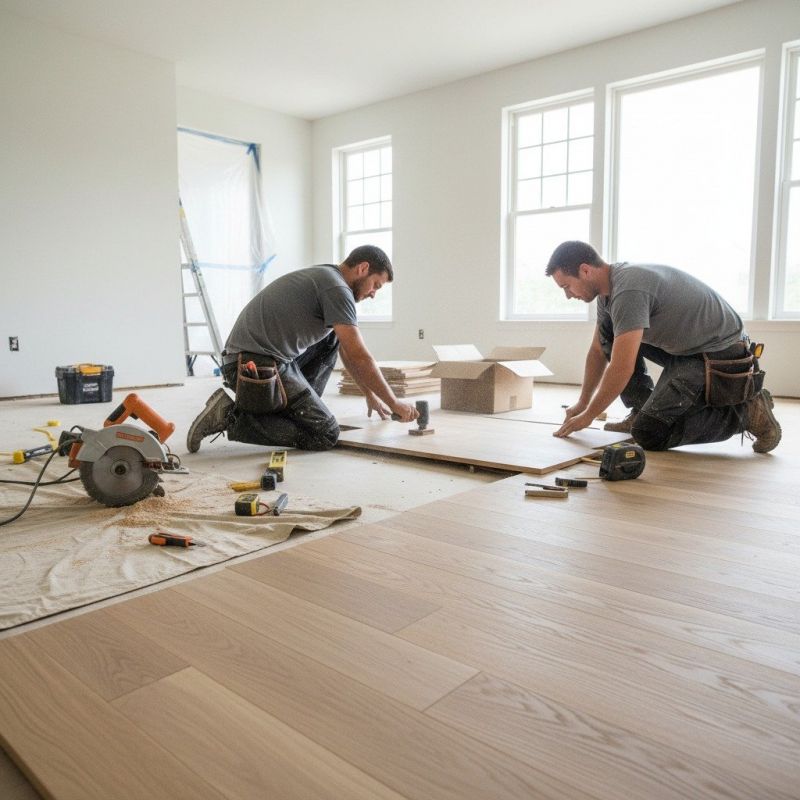
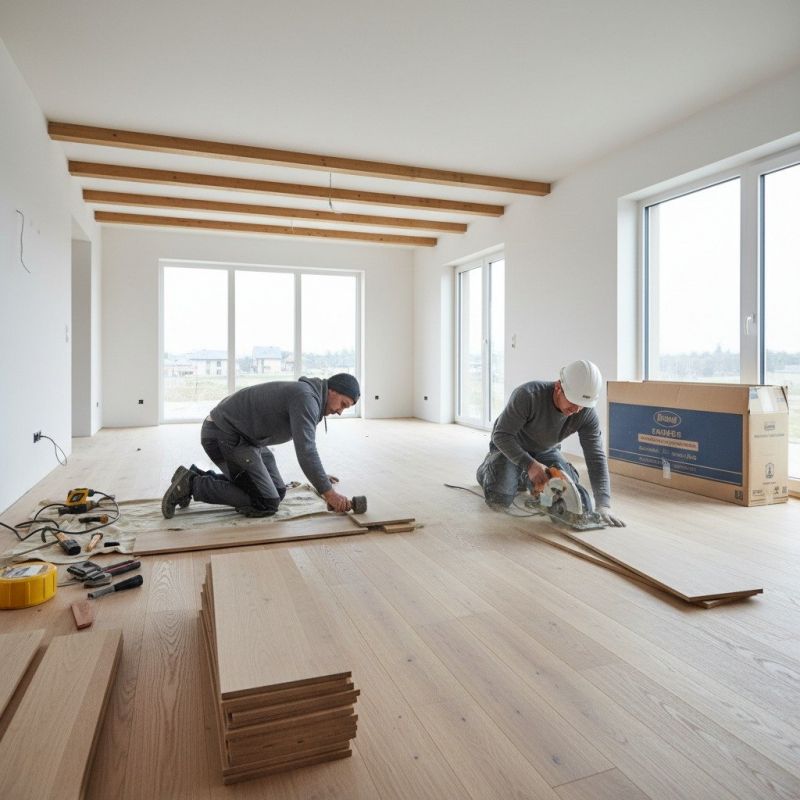
Understanding the differences between various wood species is essential for property owners considering hardwood floor installation. Many people in the area look up this topic to ensure their new floors will match their lifestyle, aesthetic preferences, and the durability needed for everyday use. Choosing the right wood species can influence how well the floors hold up over time, how they complement existing decor, and how much maintenance they require, making it a common concern for homeowners and property managers alike.
Local contractors who specialize in hardwood floor installation can provide valuable guidance on selecting the most suitable wood species for specific environments and personal needs. They can help evaluate factors such as foot traffic, exposure to sunlight, and the overall style of the space, ensuring the final choice enhances both the look and longevity of the floors. Connecting with experienced service providers can streamline the process and lead to a result that aligns with the property owner’s preferences and practical considerations.
What factors should be considered when choosing a wood species for hardwood floors installation? Factors such as durability, color, grain pattern, and how well the wood withstands foot traffic are important. Local contractors can help evaluate these aspects based on the specific needs of the space.
How does the hardness of a wood species impact hardwood floor installation? Harder wood species tend to resist dents and scratches better, making them suitable for high-traffic areas. Service providers can recommend the best options based on the intended use of the space.
Are certain wood species better suited for specific interior styles or environments? Yes, some species complement traditional or modern aesthetics and perform better in humid or dry conditions. Local flooring experts can advise on species that match both style and environmental factors.
What are the maintenance considerations for different wood species used in hardwood floors? Some woods require more regular cleaning or refinishing, while others are more resistant to wear. Professional installers can suggest species that align with maintenance preferences.
Can local contractors help determine the best wood species for my specific location and usage? Absolutely, experienced service providers can assess your space and recommend wood species that meet your durability, appearance, and environmental needs for hardwood floors installation.
Understanding wood hardness - property owners can discuss with local contractors which wood species are best suited for high-traffic areas in their homes.
Matching wood color and grain - choosing a wood type that complements existing decor can enhance the overall aesthetic of a living space.
Considering installation environment - property owners might select moisture-resistant species for areas prone to humidity or spills.
Evaluating maintenance needs - consulting local pros about the upkeep required for different wood species helps ensure long-lasting floors.
If you are thinking about choosing the right wood species for hardwood floors installation for a property, this guide is meant to help you understand this topic, the typical project types, and how different options might fit your plans.
When you are ready, you can use the quote form on this page to share a few details about your project. From there, local pros can review the basics and follow up with options that match what you have in mind.